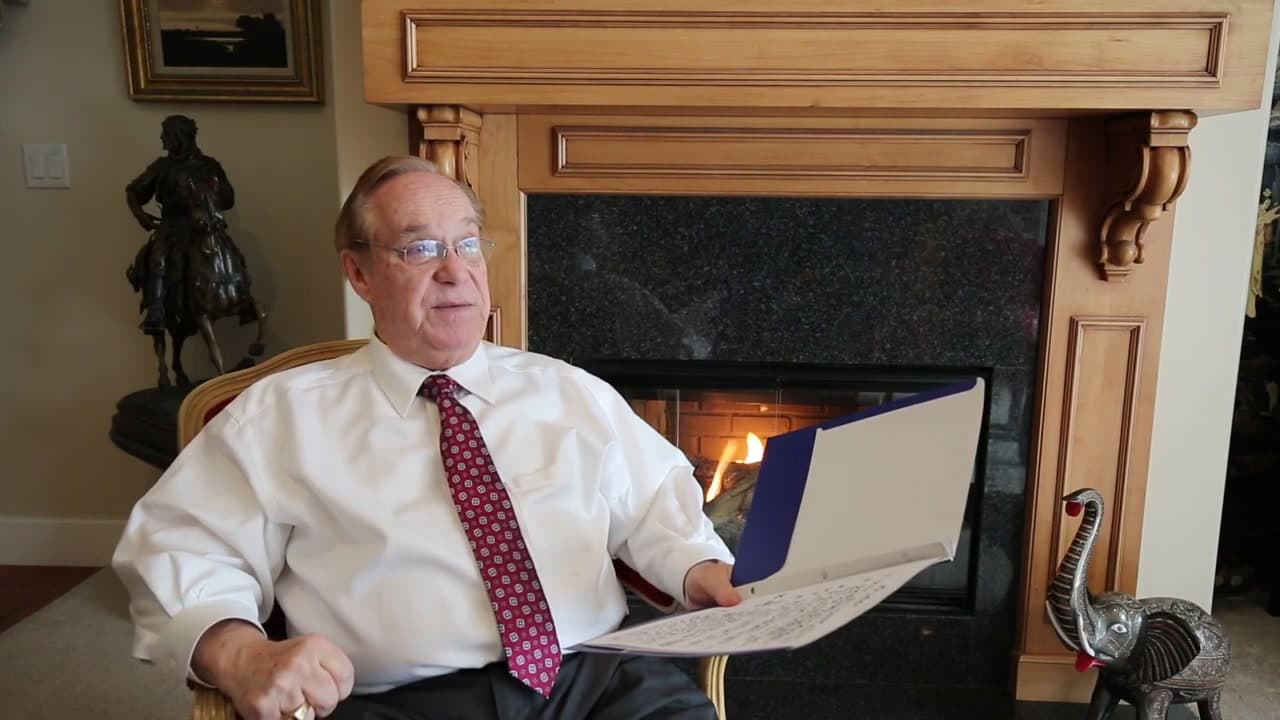
Families Forever Story
The Best Is Yet to Come
Stories for My Children and Grandchildren
Browser print and future Playwright PDF export use these exact page components.
Stories for My Children and Grandchildren
Stories for My Children and Grandchildren
For my children and grandchildren, with gratitude for the life we have shared and confidence in everything still ahead.
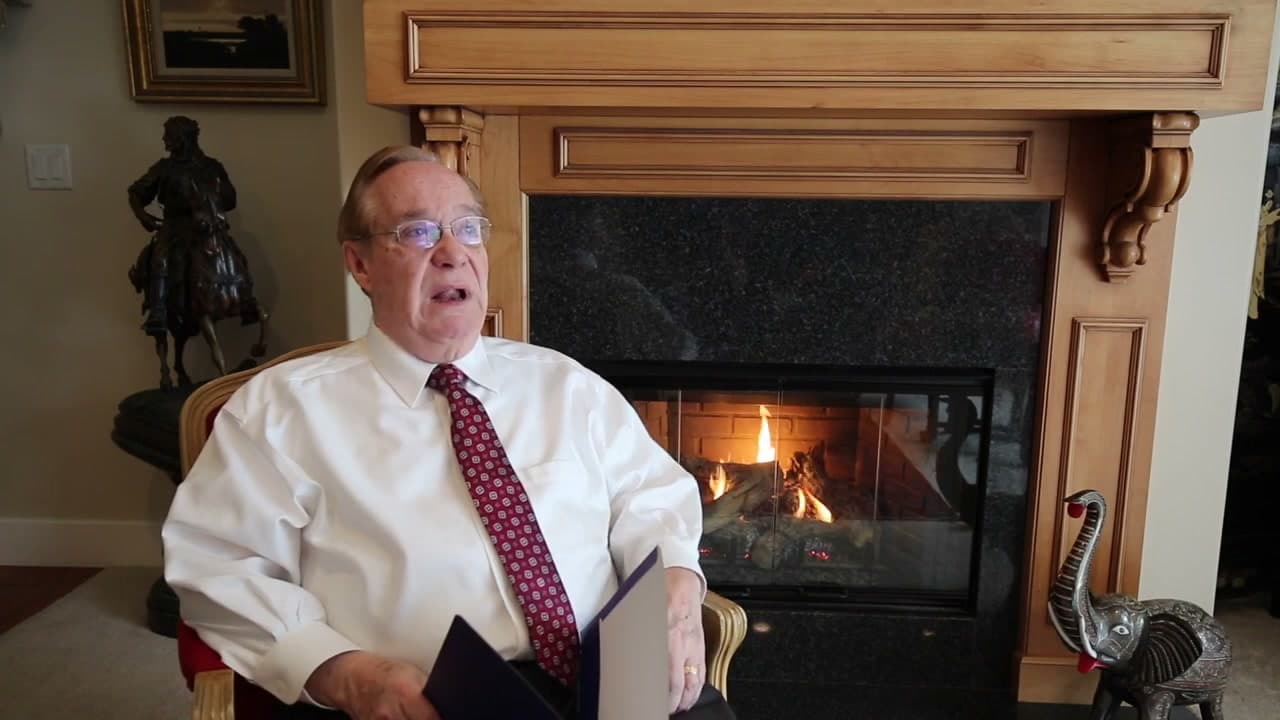
I recorded this history for the people I hoped would know me long after the stories stopped coming up around the dinner table.
I sat down on New Year's Eve in 2016 because Jeremy had given me the opportunity to record a living history. At seventy-eight, I could look back on a life that had been dynamic, surprising, and much richer than I could have planned. I had crossed oceans as a boy, returned to Australia as a missionary, tried several careers, found the work that suited me, and built a family with Judy.
Of all the people I wanted to know me, I thought especially of my grandchildren. I wanted them to understand not only where our family came from but how much gratitude I felt for their parents and for the lives opening in front of them.
A life history is not a list of accomplishments. The meaning is usually found in ordinary decisions: whether a family accepts an adventure, whether a young man keeps working for tuition, whether two people find their way back to each other, and whether a home becomes a place where children know they are wanted.
I also wanted the family to know my parents and grandparents through me. Their courage, faith, thrift, and willingness to work made my own choices possible. None of us begins alone, no matter how independent we may imagine ourselves to be.
The world changed almost beyond recognition during my lifetime. I went from wartime ration books and a coal furnace to air-conditioned automobiles, instant communication, and the prospect of self-driving cars. I did not see change as a reason for fear. I saw evidence that human beings could continue learning.
My hope for the generations after me was simple: be disciplined, stay curious, save something, do useful work, love your family, and keep faith. The best is not guaranteed, but I believed it remained possible.
“Of all the people that I would like to know about me, it is my grandchildren.”
My life began with my twin brother George, a doubtful prognosis, and two improvised incubators made from orange crates and light bulbs.
George and I were born in Caldwell, Idaho, on May 13, 1938, two months before we were expected. He weighed two pounds ten ounces, and I weighed two pounds twelve. The place where we were born was closer to a nursing home than the hospitals families know today. The doctor asked my father whether he wanted to try to raise us. Of course he did.
The staff fashioned incubators from long wooden orange crates. Pillows went in the bottom, and light bulbs above us supplied warmth. It sounds impossibly primitive now, but those boxes gave two very small boys a chance. At larger hospitals, premature babies were being exposed to oxygen concentrations that later left many of them blind. Our improvised beginning may have protected us from a danger no one there understood.
George and I began life together and remained connected by the odd intimacy of being twins. We shared school years, friends, summer work, the voyage to Australia, and the long process of growing into separate lives. I grew to five feet five and three-quarters and later joked about shrinking, but I stayed grateful for a body that let me study, work, travel, and take part in nearly everything life placed before me.
“They quickly fashioned some incubators out of orange crates.”
An infant or childhood photograph of Jerry and George, or a photograph of their parents near the time of their birth.
Placeholder for the proof edition
Denver made us city children, but Idaho gave us horses, cousins, grandparents, and a living connection to the family that came before us.
My parents came from southeastern Idaho families whose lives were tied to land, church, and one another. The names and exact relationships could take pages, but what mattered to me as a child was that there were grandparents, aunts, uncles, and cousins who already knew where we belonged. Family history was not an abstract chart. It was a farmhouse, a table, a field, and stories repeated until they became part of us.
We lived in Denver, but summers returned us to the farm. For a city boy, it was magical. We rode horses, discovered the scale of farm work, and had freedoms that did not exist on a city block. The adults had chores and worries we only partly understood. We had cousins, animals, dirt, and the sense that the day could go on indefinitely.
Those visits helped me understand my father. Even after he became a respected engineer, part of him remained a cowboy from Idaho. Years later he invested in acreage outside Denver and raised quarter horses. His life joined technical expertise with an affection for land, and I inherited at least some of both: respect for practical knowledge and a recurring hope that the right piece of property might become an opportunity.
“It was a wonderful, magical time to be a city kid and enjoy the farm.”
A photograph of the Idaho farm, Jerry's grandparents, cousins, horses, or a summer family gathering.
Placeholder for the proof editionChildhood in Denver meant stable homes, wartime rationing, troop trains, and learning that nothing useful was casually thrown away.
My father's work with the Bureau of Reclamation brought us to Denver in 1940. Civil engineers often moved from project to project, but his expertise in concrete gave our family unusual stability. He became an authority in a field most people misunderstood. We learned early that cement was only one ingredient in concrete and that the quality of a structure depended on knowledge hidden inside what looked ordinary.
World War II turned Denver into a staging and transportation center. Servicemen moved through the city, families displayed flags for loved ones in uniform, and even a child knew that the country was organized around the war. Meat was scarce, butter disappeared, shoes were rationed, and anything made of metal or rubber had to be conserved.
My mother made use of what she could find. I remember beef heart and head cheese because protein could not be taken for granted. We took care of clothing and repaired things because replacements might not exist. These habits did not feel like a philosophy then. They were simply the way a household operated when the larger world needed nearly everything it could produce.
I do not remember the period as a deprived childhood. I remember kindergarten, neighborhood friends, school, and the excitement when ordinary goods returned. Rubber toys, tin cars, and Double Bubble gum seemed remarkable. Scarcity gave small pleasures their proper size. It also taught me to recognize abundance rather than assume it had always been there.
“You had to take care of and conserve everything that was around you.”
My parents improved our circumstances through ingenuity, long hours, and one improbable business involving rabbit brains.
For years our family car was a 1934 Studebaker. It had running boards, the shape of an earlier era, and eventually the wear of a machine asked to serve beyond anyone's expectations. We lived with a coal furnace and the routines that came with it. Comfort arrived gradually, one improvement at a time, and each improvement had a story behind it.
The most unusual story began when my father learned there was demand for rabbit brains used in producing thromboplastin. He developed a side business collecting and preparing them. The work was messy and exacting, and the whole idea sounded unlikely, but it nearly doubled his government salary. Opportunity did not always arrive in respectable packaging.
That additional income helped move us into a larger house and gave the family possibilities that salary alone would not have provided. I remember the house as a mansion because of what it represented. My father had combined expertise, alertness, and willingness to do extra work. Long afterward, he believed the opening had come as a blessing connected to his faith and payment of tithing.
“Opportunity sometimes came disguised as work nobody else had thought to do.”
At fifteen, I left Denver with my family for Australia, crossed the Pacific in first class, and entered a world larger than any of us had known.
When my father was invited to Australia as an engineering adviser, he gathered the family and asked whether we should go. No one wanted to stay behind. The answer was immediate: adventure, bring it on. I lay awake for several nights thinking about the new life ahead of us. At fifteen, Australia was almost beyond imagination.
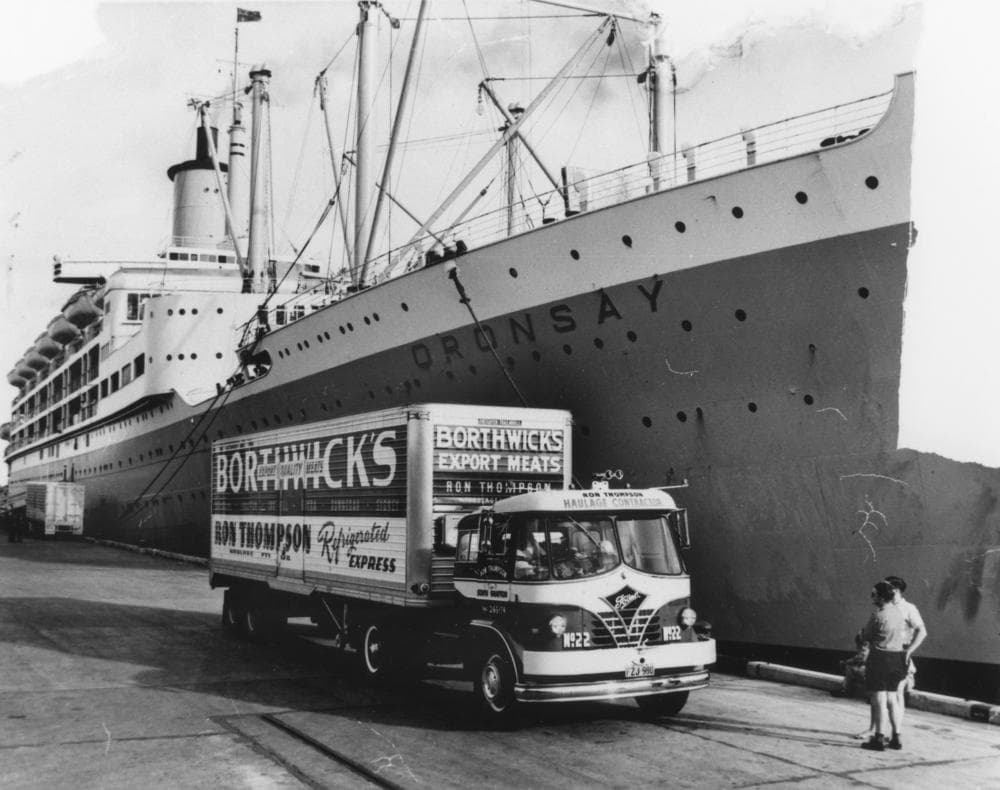
In February 1954, I took my first airplane flight, first to Salt Lake City and then to San Francisco. Air travel itself was an event. From San Francisco we boarded an Orient Line passenger ship for the Pacific crossing. The transcript leaves the exact vessel uncertain, and that detail deserves family confirmation rather than a confident guess.
Because of the arrangements made for the engineering families, we traveled first class. Meals had assigned places and rules, and the ship carried the social structure of another age. We stopped in Honolulu, Fiji, and New Zealand. Each port offered only a glimpse, but together they made the map of the Pacific real.
The voyage was an education before school in Australia even began. Our family learned to move together through unfamiliar places, to follow customs we had not created, and to accept surprise as part of the day. The farther we traveled from Denver, the more capable the world seemed of becoming larger again.
“Adventure. Bring it on.”
A family photograph from the 1954 voyage, a shipboard portrait, or the family's arrival in Australia.
Placeholder for the proof edition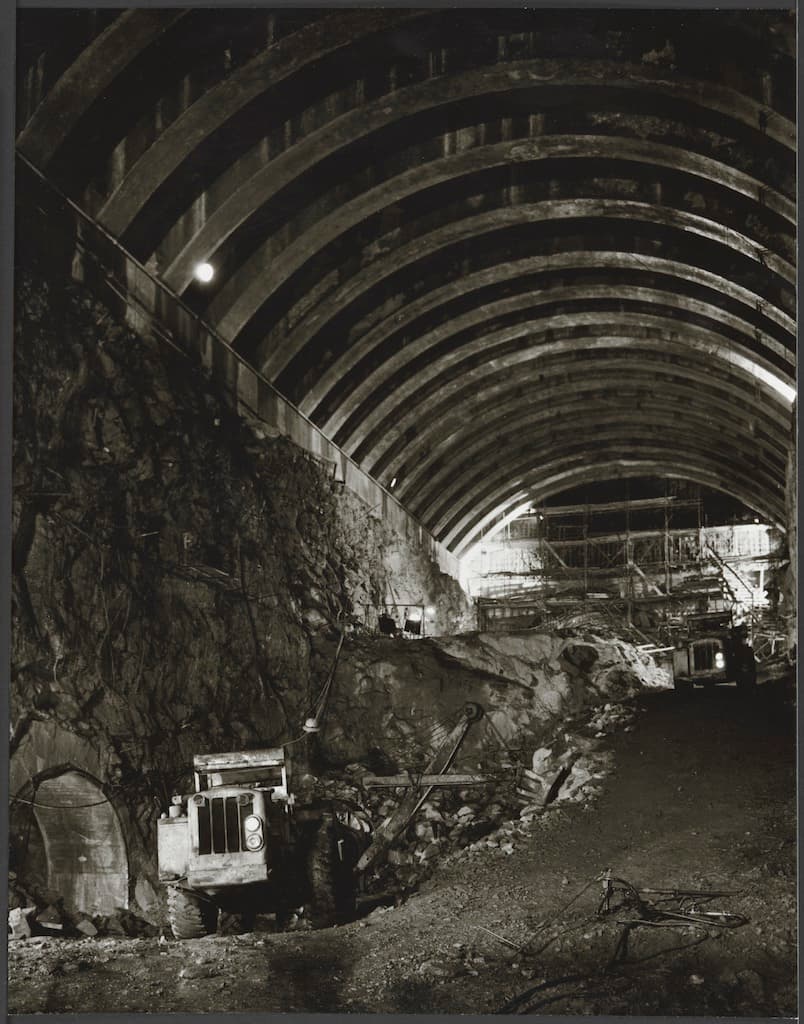
Australia placed our family beside one of the century's great engineering projects and showed me what experienced people could build together.
We arrived in Sydney, then flew to Canberra and traveled by car toward Cooma. A newly completed cottage waited for our family near the community serving the Snowy Mountains Scheme. The landscape, the accent, and the institutions were unfamiliar, but the purpose of my father's work was clear.
The Australian government had invited a small group of American engineers with Bureau of Reclamation experience to advise on the project. The scheme joined dams, tunnels, power stations, and the diversion of water through mountains. It was infrastructure on a scale that could change regions, and it depended on thousands of people from many countries.
My father brought knowledge about concrete and large public works. He and the other advisers were credited with helping the project move ahead of schedule and under budget. I was young, but I understood that expertise mattered. Years of work on earlier projects could become leverage when a new country attempted something ambitious.
The Snowy Scheme gave our family a reason to cross the world, but it also gave me an enduring image of productive cooperation. People with different backgrounds could solve physical problems together. Water could be redirected, electricity generated, and entire communities formed around work that would outlast the people who performed it.
“The Snowy Scheme was really amazing.”
The family's Australian cottage, Elmo with the American engineers, or a Snowy Mountains worksite photograph from family records.
Placeholder for the proof editionAustralian school, music, rugby, politics, and friendship required me to listen closely and adapt quickly.
George and I entered an educational system that did not line up neatly with the one we had left. The Leaving Certificate demanded serious preparation, and we had roughly eighteen months to complete work that normally occupied much longer. School uniforms, manners, terminology, and expectations all reminded us that English-speaking countries could still be profoundly different.
I initially faced French, but the mismatch in preparation became obvious. Music offered another route. I studied theory and piano and continued developing an understanding that had begun with violin. The work was technical, not merely expressive: notation, harmony, intervals, and disciplined practice. Music gave me a language that traveled more easily than my accent did.
I played rugby until a knee injury altered what I imagined might be possible, including thoughts about a naval path. I learned Scottish dancing and made friendships that survived distance and time. I also listened to arguments about labor, class, and politics that were unlike the conversations around our table in Denver.
Living abroad did not cause me to abandon what I believed. It forced me to understand why other people saw institutions differently. I came home more aware that a person's assumptions often belong to the place where he learned them. That awareness served me later in missionary work, sales, politics, and every room where trust depended on listening first.
“In Australia, even familiar words could belong to a different world.”
A school portrait, rugby photograph, Scottish dancing group, instrument, or picture with Australian friends.
Placeholder for the proof edition
The journey home became an odyssey through a dock strike, the Indian Ocean, Suez, Europe, and the Atlantic.
When our Australian years ended, we did not simply reverse the Pacific crossing. We boarded another ship and continued west. A dock strike complicated the departure and the ship's cargo, including newsprint, became part of the delay. Sydney, Melbourne, Adelaide, and Perth marked the beginning of a voyage whose schedule seemed to belong to forces outside our control.
The Indian Ocean was vast, and shipboard life developed its own routines. At one point the vessel rolled severely enough that the angle became part of the family story. Julie was still very young, which added the practical details of caring for a small child to the romance of crossing the world.
We passed through the Suez Canal and entered the Mediterranean. Europe followed: ports, rail travel, London, and the accumulated history I would later study more formally. I was not yet eighteen, but I had seen societies shaped by war, empire, engineering, class, and migration.
A Pan American flight carried us to New York, and from there we returned home. In 1953 I had first put my foot in the Atlantic at Atlantic City. Early the next year my toes had reached the Pacific. Now, after Australia and the westward voyage, the world was no longer a set of distant names. It had become memory.
“What an odyssey it was. Incredible.”
A photograph from the return ship, Suez, Europe, London, or the family's arrival home.
Placeholder for the proof editionReturning home meant sugar-company shifts, university tuition, and the discipline of earning an education without a straight path.
Back in Denver, I found work at the American Crystal Sugar Company, first in the mailroom and then in other responsibilities. George and I entered the University of Denver under unusual circumstances because the Australian Leaving Certificate did not resemble an American high school diploma. On paper, we were treated almost like foreign students in our own country.
We lived at home and worked to pay tuition. The arrangement required long days, but it allowed us to move through university without the student debt that later became common. Money was not theoretical. Every course represented hours already worked or hours that still had to be worked.
I spent time at Brigham Young University and became involved in student activity with more enthusiasm than financial restraint. That experience, including overspending connected to an event, taught me that energy did not excuse poor stewardship. I returned to Denver with a clearer sense of responsibility.
My education did not proceed along a single elegant line. It changed institutions, subjects, and ambitions. Yet the work itself accumulated. The habits required to keep a job, study, meet obligations, and begin again became as valuable as any one credential.
“We were able to work and make tuition.”
Missionary service returned me to Australia with a different purpose and deepened the beliefs that guided the rest of my life.
Australia called me back, this time for a two-year mission for The Church of Jesus Christ of Latter-day Saints. I returned not as an engineer's son but as a missionary responsible for meeting people, teaching, organizing, and living closely with companions whose strengths and habits differed from my own.
Missionary service made faith practical. Belief had to survive fatigue, rejection, schedules, personality differences, and the obligation to keep serving when a day had not gone well. It also brought friendships and reunions that continued long after the formal assignment ended.
I once imagined returning home by traveling through Asia, but plans changed and resources found another use, including a grand piano that became part of family life. The return itself included an unexpected delay in Hawaii. By then, travel no longer meant escape. It had become one of the ways life taught me patience and proportion.
“Faith became something lived in company with other people.”
A mission portrait, companion photograph, name badge, letter, or Australian meetinghouse.
Placeholder for the proof editionAt the University of Denver I tried to make room for business, public life, music, and the past all at once.
At the University of Denver, I joined Alpha Kappa Psi, the professional business fraternity. The organization offered friendship, leadership, and a network that reached beyond campus. I later served in national roles and traveled through that connection, but its first value was teaching me how institutions are held together by people willing to do unglamorous work.
I represented the business school in the student senate and played violin in the university orchestra. Those activities might seem unrelated, but both required attention to the whole. In an orchestra, one part has meaning only in relation to every other part. In student government, a proposal matters only if people can understand, support, and carry it out.
History drew me increasingly strongly. Professors opened periods and personalities that made the present feel less inevitable. Graduate study required sustained reading and writing, and I completed a master's thesis on Abraham Alonzo Kimball. Research taught me to distinguish what a record supported from what a storyteller wished it said.
The schedule was intense because work continued alongside study. Looking back, I wonder how there were enough hours, but youth often supplies energy before judgment learns to ration it. Those years gave me business training, historical perspective, public experience, and music. I did not have to choose only one way of understanding the world.
“I tried to say yes to every useful opportunity the university offered.”
IBM, retail, real estate, graduate business school, and an eliminated position taught me that a career can emerge through failed fits.
After graduate study, IBM appeared to be the job of jobs. The company carried prestige and represented the future, but the work demanded technical abilities that were not my strengths. Wanting an opportunity to fit does not make it fit. Leaving was humbling, but it was also honest.
I worked in a men's clothing store and considered retailing more seriously. I entered real estate and learned the emotional and financial weight attached to property. Every position added another view of selling: not persuasion for its own sake, but the effort to understand what another person valued and whether the thing offered actually served that need.
I completed an MBA and accepted work with General Mills in the Carolinas. That position was later eliminated. A mobile-home sales opportunity followed. From the outside, the sequence might look unsettled. From inside it, I was gathering evidence about where I was useful and what sort of responsibility I could sustain.
Careers are often told backward, as though every early choice pointed toward the ending. Mine did not. The detours mattered because they taught me what I was not, gave me practice with people, and kept me moving until an unexpected opening in municipal finance brought the pieces together.
“A wrong fit can still teach you what the right work will require.”
An unexpected opening in municipal bonds became more than thirty years of responsibility for banks, communities, and other people's money.
A municipal bond firm was looking for a Latter-day Saint salesman who could work with banks and institutions in Utah. The description was unusually specific, and I happened to fit it. What began as another possibility became the profession I kept for more than thirty years.
Municipal finance connects private capital with public work. The instruments may look like numbers on paper, but behind them are schools, roads, utilities, and communities making promises about the future. My responsibility was to understand the offering, represent it accurately, and protect relationships built on confidence.
The career took me through several firms and required travel, persistence, and sensitivity to markets that could change quickly. I did not become rich, but the work supported a good home and a full life. It also let me participate in politics, professional organizations, and civic causes without separating my livelihood from the larger community.
I retired in 2005. One feeling stood out: relief that after decades of being responsible for other people's money, I was finally responsible only for my own. Trust had been the true product of the career. It could be built slowly and lost quickly, and I never forgot the difference.
“For more than thirty years, I was responsible for other people's money.”
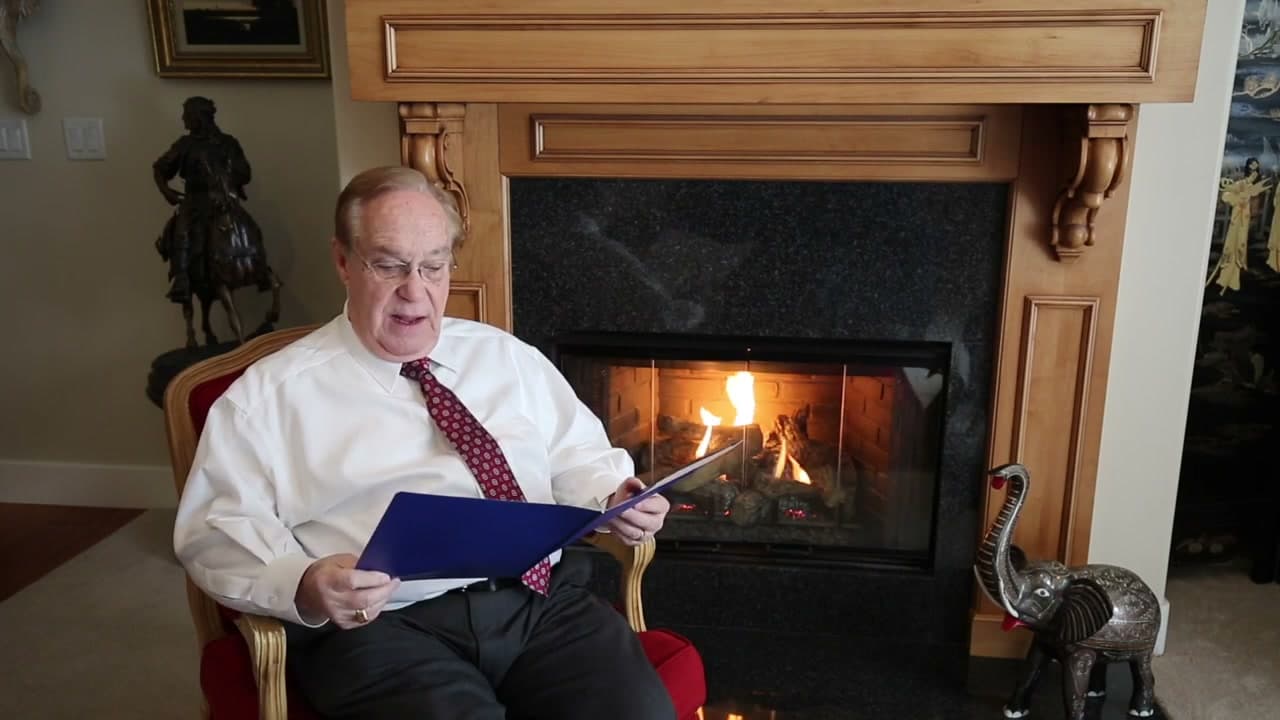
I met Judy on a very long first date, lost the timing, found her again years later, and began the life I had been waiting for.
I first met Judy in 1964 on a blind date that lasted most of the day. It was long enough for two people to move beyond formal conversation and begin seeing the person underneath. We cared for each other, but distance, work, and timing kept the relationship uneven.
Judy moved to California. I continued working and dating, but the comparison was always present. Other possibilities were measured against the woman I had not quite been able to keep. Years passed, which can make a person believe a story has ended when it has only paused.
After I moved to Salt Lake City, I learned that Judy would be home for three weeks. We went to see Butterflies Are Free, spent as much time together as circumstances allowed, and attended political events during a busy season. Before she returned to California, I told her I wanted to marry her. She said she would think about it.
She did. We married on March 8, 1973, with a wedding breakfast and a reception at the Light House. We honeymooned at Little America and Sun Valley. Judy's savings helped us buy our first home. I have always said that was when my life began: the day the life I had built alone became the life we would build together.
“March 8, 1973. That is when my life began.”
A wedding portrait from March 8, 1973, or an early photograph of Jerry and Judy together.
Placeholder for the proof edition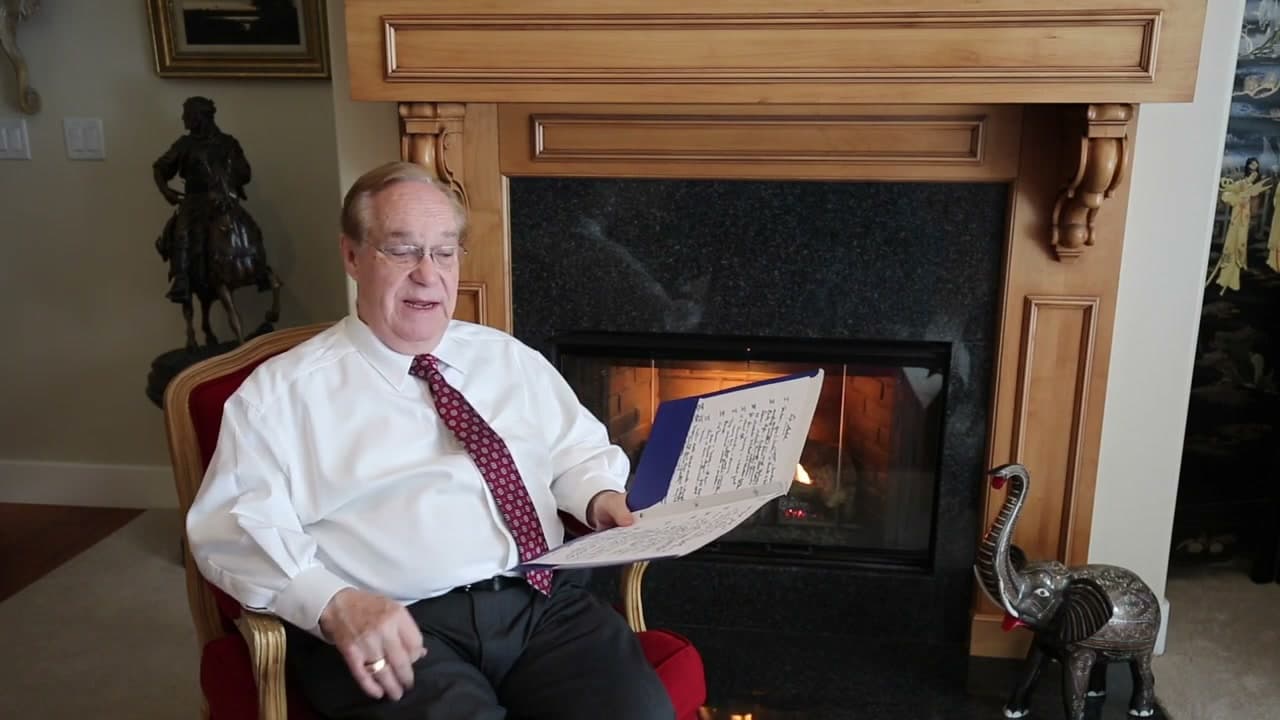
A Friday-afternoon phone call gave us ninety minutes to reach a baby boy and changed the meaning of every room in our home.
In September 1977, at about three on a Friday afternoon, Church Social Services called my office. If Judy and I could be at headquarters by four-thirty, they said, we could have a beautiful little baby boy. We had ninety minutes to cross from hoping to becoming parents.
I called Judy, but coherent words were difficult. All I could do was giggle. On the way, she suggested the name Jeremy James. Jeremy honored my grandfather Jeremiah Hatch, and James carried her family name. We arrived to meet a five-pound baby whose tiny legs later became the strong legs of a champion swimmer.
I gave out candy instead of cigars. The gesture suited the joy of the day: uncomplicated, almost unbelievable happiness. A house changes when a baby enters it. Rooms that belonged to adults become part of a future organized around feeding, sleeping, worry, and wonder.
Two years later, Jody Lynn joined us, a beautiful redheaded baby. Parenthood reordered our priorities and reduced the travel I was willing to accept. Jeremy and Jody brought different gifts: swimming, violin, singing, writing, and distinct ways of meeting the world. They gave us what I came to regard as the fullest part of human experience: a family of our own.
“All I could do was giggle when I told Judy.”
An early family photograph with Jeremy and Jody, ideally from their first years at home.
Placeholder for the proof editionHomes, church service, neighborhood tradition, married children, and grandchildren made the later years rich beyond measure.
Judy and I moved through several homes before settling at 925 Donner Way. She had a gift for improving a house, seeing what a room could become, and making decisions that turned property into a home. We redecorated and replaced nearly everything needed so the house could carry us through the later part of life. I became deeply comfortable there.
Church service placed me in quorums, a high council, and a university ward bishopric. The work could be joyful and heavy. One community idea began modestly: a Fourth of July breakfast in the park, cooked on simple equipment. Another ward joined, and the breakfast eventually grew to roughly five hundred people. For years it gave the neighborhood a tradition that belonged to everyone.
Then our children married. We loved Monique and Joe for the lives they built with Jeremy and Jody. Grandchildren followed: Alexis, Timmy, twins Gavin and Cole, Michaela, and Daniel. I will never forget sitting on the couch with one twin under each arm while we watched cartoons or whatever they loved. Sunday dinners and ordinary visits became the events that gave time its value.
“The coming of these grandchildren has been a blessing I cannot express.”
A family gathering with Jerry, Judy, their children, spouses, and grandchildren.
Placeholder for the proof editionLooking back, I found the meaning of the story in family, faith, useful work, gratitude, and confidence in what future generations could build.
Later life included travel with family, winters near the California coast, cruises through the Panama Canal and to Alaska and Mexico, and memories of the trips my own parents had made possible. I remembered seeing citrus on trees in Phoenix, Lake Louise, Niagara Falls, New York, and my first sight of the Atlantic. Each journey enlarged the family story.
My father's investment in 480 acres outside Denver eventually benefited all six children. He had bought land so he could keep horses and hold onto part of the cowboy life, but the city's growth changed its value. I tried more than once to duplicate that kind of investment without equal success. The lesson was not that every risk wins. It was to remain alert, learn economics, save, invest, and understand opportunity.
At the end of the recording, my gratitude returned to Judy, our parents, our brothers and sisters, our children, and our grandchildren. Faith gave Judy and me confidence that love was not limited to the years we could see. My prayer was that our family would do useful work, care for one another, and one day look back with the same peace and satisfaction. That the best is yet to come remains my hope for you.
“That the best is yet to come is my hope and prayer for you.”
Recorded in Jerry Cassim Higginson's voice, preserved in their own words, and kept for the generations still to come.